Cawera – Google Slide Template: A Practical Review of Its Design, Structure, and Real-World Usability
Presentation software has become a central tool for communicating ideas across industries, yet the time required to build a polished deck from scratch often outweighs the value of the content itself. Prebuilt templates offer a middle ground between convenience and customization, but not all templates deliver the consistency or visual depth that professional work demands. Cawera – Google Slide Template is one such resource that attempts to bridge that gap, offering a substantial library of slides with coordinated color schemes and layout options. Whether you are preparing a client pitch, an internal training module, or a portfolio showcase, understanding what this template actually provides—and where it may fall short—can help you decide if it fits your workflow.
What Cawera – Google Slide Template Offers
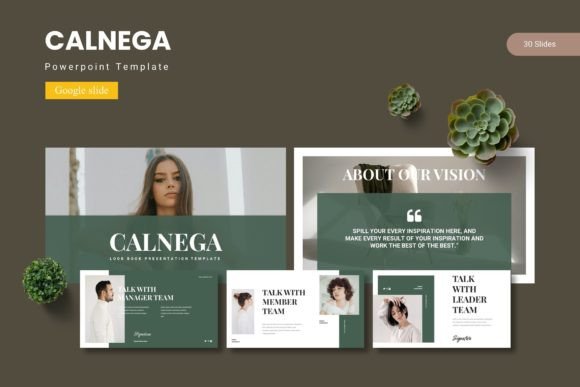
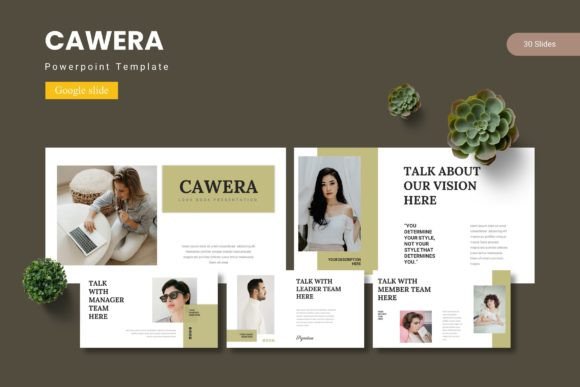
At its core, Cawera is a Google Slides template package built around a curated set of design assets. The package includes 150 total slides spread across five premade color variations, with 30 slides available for each color scheme. This structure alone sets it apart from smaller template sets that might offer only a dozen or so slides with a single color palette. The inclusion of section break slides, handcrafted infographics, and master-slide-based layouts suggests that the designers intended it for users who need more than just title and content slides—they need visual storytelling tools that maintain consistency across a full presentation.
The template relies on master slides, which means that global changes to fonts, colors, or logo placement can be applied once and propagated through the entire deck. This is a significant time-saver for anyone who has ever manually updated each slide in a 40-page presentation. Additionally, the package includes pixel-perfect illustrations that are both resizable and editable, along with picture placeholders that allow for drag-and-drop image insertion. Gallery and portfolio slides are also included, making the template relevant for creative professionals who need to showcase visual work.
The main file comes in PPTX format, and the folder contains the Google Slides version, a readme file, and information about fonts and photos. This dual-format approach means you are not locked into one ecosystem—you can work in PowerPoint or Google Slides depending on your team’s preferences or client requirements.
Strengths in Design and Structure
One of the most notable strengths of Cawera is its volume of content. With 150 slides across five colors, you have enough material to build multiple presentations without repeating layouts. The five color variations are premade, which reduces the risk of accidental color mismatch when you are working quickly. Each color variant includes the full set of 30 slides, so you are not forced to mix and match palettes to cover different slide types.
The handcrafted infographics are particularly valuable for presenters who need to visualize data or processes without starting from scratch. These infographics are based on master slides, so they maintain alignment with the rest of the deck. The pixel-perfect illustrations also add a level of polish that generic clip art cannot match. Because all graphics are resizable and editable, you can adjust sizes, rotate elements, or recolor shapes to fit your brand without degrading image quality.
Picture placeholders with drag-and-drop functionality streamline the process of adding images. Instead of cropping and resizing every photo, you simply drop an image into the placeholder, and the template handles the framing. This is especially useful when you are working with a team where multiple people need to contribute visuals without design training.
The inclusion of gallery and portfolio slides suggests that Cawera was designed with a broader audience in mind than typical corporate templates. These slide types work well for designers, photographers, real estate agents, and other professionals who rely on visual evidence to support their message.
Real-World Usability and Practical Value
In practice, Cawera performs well for presentations that require a clean, modern aesthetic with minimal friction during setup. The master-slide architecture means that once you choose a color scheme and set your fonts, the rest of the deck stays consistent. This is especially beneficial when multiple team members are contributing slides to the same presentation—everyone works off the same master, so the final deck looks cohesive even if the contributors have different skill levels.
The 30-slide count per color is enough for most standard presentations. A typical business pitch, project update, or conference talk runs between 15 and 25 slides, so you will likely have leftover layouts that you can repurpose for future decks. The section break slides are useful for dividing longer presentations into logical chapters, which helps maintain audience attention and provides natural stopping points for Q&A or discussion.
One area where the template excels is in its flexibility for branding. Because all elements are editable, you can adapt the slides to match your company’s color palette, typography, and logo placement. The five premade colors give you a starting point, but you are not limited to them—you can override colors on the master slide level and apply your own brand guidelines across the entire deck. This makes the template suitable for agencies that need to present to multiple clients with distinct brand identities.
However, there are limitations worth noting. While 150 slides sounds generous, many of them are variations of similar layouts. You may find that the actual diversity of structures is narrower than the total count suggests. For users who need highly specialized slides—such as complex financial charts, organizational diagrams, or custom timelines—the built-in infographics may not cover every use case. You would need to supplement with additional charts or diagrams created outside the template.
Another practical consideration is the reliance on Google Slides’ native features. While the template works within the platform’s constraints, Google Slides does not offer the same level of animation control or font management as PowerPoint. If your presentation requires precise animation timing or custom fonts not available in the Google Fonts library, you may encounter limitations. The PPTX file included in the folder can help circumvent this, but then you lose the collaborative advantages of Google Slides.
Who Benefits Most from Cawera
Cawera is best suited for professionals who need to produce presentations regularly but do not have dedicated design support. This includes entrepreneurs preparing investor decks, marketing teams building campaign proposals, educators creating course materials, and small business owners developing sales collateral. The template reduces the time spent on layout decisions and formatting, allowing you to focus on content quality.
Freelancers and independent creators will also find value in the template’s portfolio and gallery slides. If you are a photographer, graphic designer, or writer who needs to present work samples in a visually consistent format, these slide types give you a professional framework without requiring you to design from scratch. The drag-and-drop image placeholders make it easy to swap in new work as your portfolio evolves.
Bloggers and publishers who create slide decks for webinars, online courses, or sponsored content can benefit from the template’s clean aesthetic and color variety. The five color schemes allow you to match the presentation to a brand palette or event theme without rebuilding the deck. For content creators who publish frequently, this consistency builds audience recognition over time.
Corporate trainers and internal communicators will appreciate the section break slides and infographics for structuring long training modules. The master slide system ensures that all slides in a training series follow the same format, which reduces cognitive load for learners and reinforces brand identity within the organization.
Considerations and Possible Limitations
No template is a perfect fit for every scenario, and Cawera has a few areas where potential users should set realistic expectations. First, the template is designed for Google Slides, which means it is optimized for that platform’s feature set. If your team relies heavily on PowerPoint’s advanced features—such as morph transitions, complex animations, or embedded video with custom playback controls—you may find the PPTX version less fluid than a native PowerPoint template. The transition between formats can sometimes cause slight misalignment in text boxes or image placeholders, so it is wise to test the file in your target application before building an entire deck.
Second, while the five color schemes are well-coordinated, they may not align with every brand’s exact requirements. You will likely need to spend some time adjusting the colors on the master slide to match your brand guidelines. This is a straightforward process for anyone familiar with Google Slides master view, but it does add a small setup step before you can start creating content.
Third, the infographics, while handcrafted and visually appealing, are static layouts. They are not data-driven charts that update automatically when you change source numbers. If your presentation relies heavily on live data or frequent updates, you may need to rebuild the graphic each time. For static presentations—such as one-time pitches or archived training decks—this is not an issue, but for recurring reports with changing metrics, you might prefer a charting tool integrated into the slides.
Finally, the template’s aesthetic is modern and minimalist, which works well for most professional contexts but may feel too restrained for creative fields that favor bold, experimental design. If your brand identity leans toward edgy typography, unconventional layouts, or high-contrast color schemes, you may need to modify the template significantly to achieve that look.
Practical Recommendations for Getting the Most Out of Cawera
To maximize the value of this template, start by reviewing all 30 slides in each color scheme before you begin building your presentation. Identify the slides that match your content needs—section breaks, infographics, portfolio layouts, and standard content slides—and note which ones you will customize. This upfront review saves time later because you avoid recreating slides that already exist in the library.
Use the master slide view to apply your brand fonts and colors first. This ensures that every slide you add from that point forward uses your brand settings. If you plan to reuse the template for multiple clients or projects, consider duplicating the file and adjusting the master for each use case. This keeps your original template intact while allowing you to create customized versions quickly.
For team presentations, establish naming conventions for the slide layouts and communicate which sections each team member should use. Because the template includes multiple variations of similar slide types, having a shared understanding of which layout corresponds to which content reduces duplication and keeps the deck streamlined.
If you require advanced data visualization, plan to supplement the template with charts from Google Sheets or external tools. The infographics in Cawera work best as illustrative summaries rather than precise data displays. Embedding or linking live charts from Sheets can give you the best of both worlds: the template’s clean design with real-time data updates.
For presentations that will be delivered in Google Slides, take advantage of the platform’s collaboration features. Share the file with team members early in the process, use comments to provide feedback, and version history to track changes. The template’s master-slide structure becomes even more powerful when multiple people are editing simultaneously, because the master keeps the visual framework stable even as individual slides are modified.
Final Assessment of Long-Term Value
Cawera – Google Slide Template offers a practical balance between breadth and consistency. With 150 slides distributed across five premade colors, section breaks, infographics, and portfolio layouts, it covers a wide range of presentation needs without overwhelming the user with unnecessary complexity. The master-slide foundation makes it suitable for individuals and teams who value efficiency and brand consistency, and the dual PPTX/Google Slides format ensures it works across common presentation platforms.
The template’s real strength lies not in flashy effects or trendy design gimmicks, but in the reliability of its structure. For professionals who need to produce clear, coherent presentations under time constraints, this kind of dependable framework is more valuable than a collection of isolated slide designs that do not hold together as a unified deck. The ability to drag and drop images, edit illustrations, and apply global changes through master slides directly addresses the pain points that slow down presentation creation.
For entrepreneurs, marketers, educators, freelancers, and small business owners who regularly present to clients, stakeholders, or learners, Cawera provides a solid foundation that can be adapted to multiple contexts over time. It is not a replacement for custom design when you need a highly tailored visual identity, but it is a practical tool for the majority of everyday presentation work where clarity and consistency matter more than novelty.