Design and Construction Vertical Banner: A Practical Evaluation for Professionals
When you need a visual tool that communicates expertise in the built environment, the Design and Construction Vertical Banner stands out as a versatile option. This template combines a corporate postcard design layout with a vertical banner format, making it suitable for roll-up displays, print materials, and digital presentations. Whether you are a consultant, a real estate professional, or a construction firm, understanding what this template offers — and what it does not — is key to deciding if it fits your project.
This article provides a balanced look at the Design and Construction Vertical Banner. We will explore its features, discuss the situations where it excels, and consider alternatives. By the end, you should have a clearer sense of whether this template aligns with your communication goals.
What Is the Design and Construction Vertical Banner?
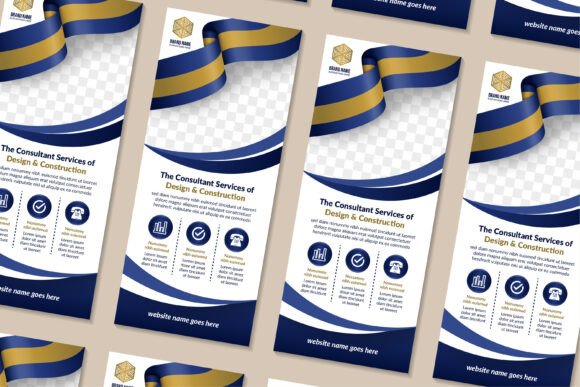
The Design and Construction Vertical Banner is a vector-based template designed for creating promotional or informational materials in a vertical layout. It typically includes space for a photo, editable text, shapes, and colors. The file is delivered in high resolution (300 dpi) and is fully scalable because all graphics are 100% vector. You receive the template in AI, EPS, JPG, and SVG formats.
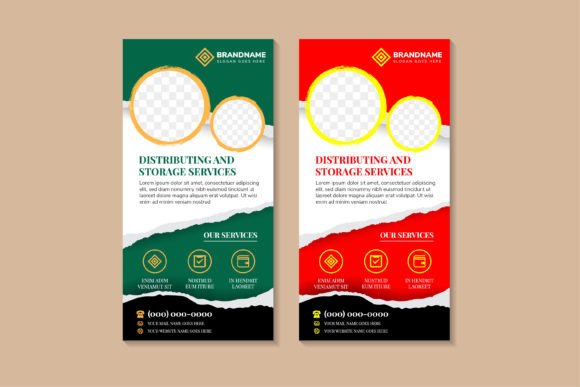
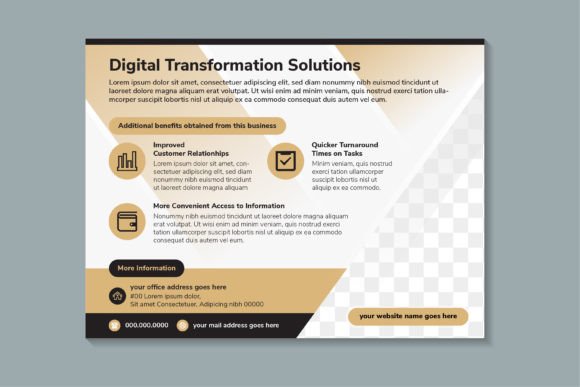
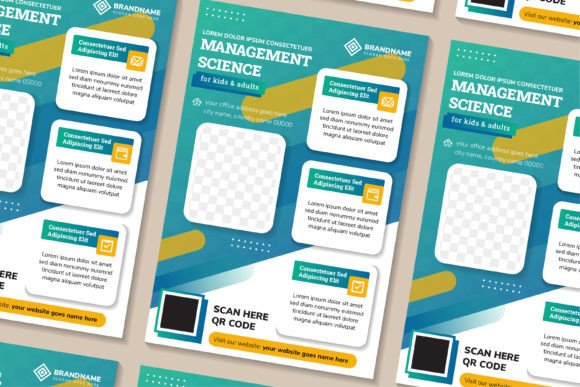
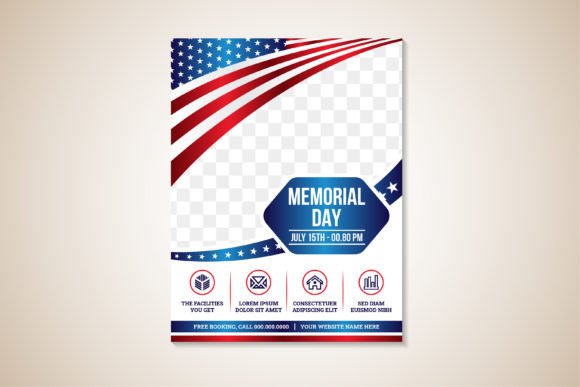
The visual style often features abstract backgrounds, geometric waves, curves, and modern corporate elements. Color schemes may include gold, purple, and other accent tones that evoke professionalism and creativity. The template is marketed for categories such as construction, real estate, consultancy, and corporate services.
From a practical standpoint, this is not a finished design. It is a starting point that you customize to reflect your brand, message, and industry.
Why Professionals Consider This Template
Several factors drive interest in the Design and Construction Vertical Banner. Understanding these reasons helps you evaluate whether it meets your needs.
Time Efficiency
Creating a professional banner from scratch requires significant time. A template like this provides a pre-structured layout with balanced proportions, typography hierarchy, and visual rhythm. For a busy marketing team or an independent consultant, this can reduce design time from days to hours.
Brand Consistency
Because the template uses editable colors, shapes, and text, you can adapt it to match your brand guidelines. This is especially valuable for firms that need to produce multiple banners for different services or campaigns while maintaining a unified look.
High-Resolution Output
The 300 dpi resolution ensures that printed materials look sharp. This is critical for roll-up banners, trade show displays, or corporate brochures where image quality reflects on your professionalism.
Vector Scalability
Vector graphics can be resized without loss of quality. The same template can be used for a large banner or a small postcard. This flexibility is useful if you need one design to work across multiple formats.
Industry-Relevant Aesthetic
The abstract geometric and wave elements, combined with colors like gold and purple, convey a modern, creative, and trustworthy image. This resonates with clients in construction, real estate, and consulting — sectors where visual credibility matters.
Benefits and Tradeoffs to Consider
No template is perfect for every situation. Evaluating the benefits alongside the tradeoffs helps you make an informed decision.
Benefits
- Customizability: Editable layers for text, shapes, and colors give you control over the final look. You can replace placeholder images with your own photography.
- File Format Options: AI and EPS are standard for professional designers, while JPG and SVG provide quick access for non-designers or web use.
- Print-Ready Quality: The 300 dpi resolution and CMYK-friendly color space (implied by the print focus) mean the template is production-ready.
- Cost-Effective: Compared to hiring a designer for a custom banner, a template is a low-cost investment.
Tradeoffs and Limitations
- Generic Look: Because templates are mass-produced, your final design may resemble others. Careful customization is needed to differentiate your brand.
- Learning Curve: Editing vector files requires software such as Adobe Illustrator. If you lack experience with these tools, you may need assistance.
- Limited Photo Integration: The template includes space for a photo, but the placement and aspect ratio may not suit every image. You might need to crop or adjust your visuals.
- Design Constraints: The preset layout, wave patterns, and geometric shapes may not align with a minimalist or highly traditional brand identity.
Strong Fit Situations
The Design and Construction Vertical Banner works well in specific contexts. Consider it when:
- You need a quick, professional banner for a trade show or conference. The template allows you to produce a polished display without starting from zero.
- You are a consultant or small firm with limited design resources. The editable files let you create multiple banners for different services (e.g., design consulting, project management, real estate advisory).
- Your brand aesthetic is modern, geometric, or abstract. The wave and curve elements complement contemporary visual identities.
- You need consistency across print and digital. The vertical layout works for roll-up banners, social media posts, and PDF presentations.
- You want to test a design direction without committing to a full custom design. The template serves as a prototype to evaluate layout and color choices.
Alternatives Worth Considering
Depending on your priorities, other approaches may be more suitable.
Custom Design from a Professional
If brand differentiation is critical, hiring a designer ensures a unique visual identity. A custom design can incorporate specific architectural motifs, client imagery, or complex infographics that a template cannot support. The tradeoff is higher cost and longer turnaround.
Minimalist or Simple Templates
If your brand values clean, uncluttered design, a template with heavy geometric patterns may feel busy. In that case, a minimalist vertical banner template with ample white space and simple typography might align better.
Fully Digital-First Templates
If your primary use is web or social media, a template optimized for screen resolution (72–150 dpi) and with animations or interactive elements could be more effective. The Design and Construction Vertical Banner is print-oriented, though the SVG format supports digital use.
Industry-Specific Mockups
For real estate or construction, you might prefer a template that includes placeholder images of buildings, blueprints, or site photos. The abstract style of this template may not communicate the tangibility of physical projects as directly.
How to Decide: Practical Decision-Making Insights
To determine whether the Design and Construction Vertical Banner aligns with your goals, ask these questions:
- What is the primary use case? If you need a print banner for a trade show, the template’s 300 dpi resolution and vector scalability are strong advantages. If your primary use is Instagram or LinkedIn, a digital-first template may be more efficient.
- How much customization do you plan to do? If you are comfortable editing vector files, the template offers flexibility. If you need a turnkey solution, look for a template with minimal editing required.
- Does the abstract geometric style match your brand? Review your existing brand materials. If your brand uses organic shapes, photography-heavy layouts, or very restrained design, the wave and curve elements may feel mismatched.
- What file formats do your tools support? The included AI and EPS files require software like Adobe Illustrator. If you use Canva or other browser-based tools, the SVG format is more accessible, but you may lose some editability.
- How important is originality? Templates by nature are used by many. If you need a completely unique look, invest in custom design or customize the template heavily — change colors, swap fonts, replace abstract shapes with your own graphics.
One practical approach is to download the template, open it in your editing software, and test one version. See if the layout adapts to your content, whether the photo placement works for your images, and how the colors render in your brand palette. This low-effort test can reveal whether the template saves you time or creates additional work.
Conclusion: A Balanced Assessment
The Design and Construction Vertical Banner offers a practical, time-saving solution for professionals who need a modern, corporate banner with a vertical layout. Its high resolution, vector scalability, and editable components make it a versatile tool for print and digital materials. The abstract geometric aesthetic suits contemporary brands in construction, real estate, and consulting.
However, it is not a one-size-fits-all solution. The generic design foundation requires thoughtful customization to avoid a templated look. The need for vector editing software and the constraints of the preset layout are real considerations. For some projects, a custom design or a simpler template may serve you better.
By weighing the benefits against the tradeoffs and considering your specific use case, you can decide whether this template supports your communication goals. If it aligns with your needs, the Design and Construction Vertical Banner can be a valuable addition to your marketing toolkit. If not, the evaluation process itself will clarify what you really need — and that is always a productive outcome.