Cyber Callout for Infographic Screens
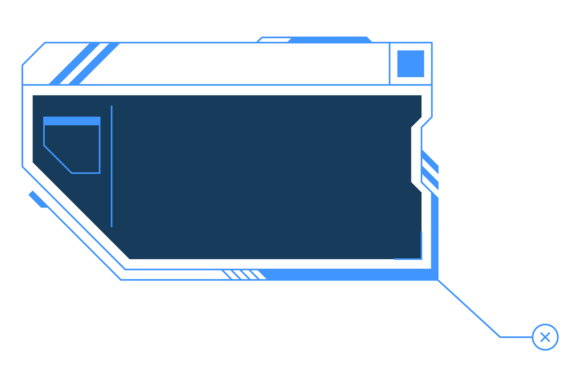
Digital designers and visual storytellers often need a quick way to draw attention to a specific detail within a larger graphic. A Cyber Callout for Infographic Screen is exactly that: a ready-made design element with a sci‑fi, futuristic look that helps highlight data, key messages, or interactive points inside an infographic or user interface mock‑up. These callouts typically feature glowing lines, holographic shapes, or tech‑inspired borders, and they are isolated on a white background so you can drop them into any project without extra cleanup. You get the asset in multiple formats — EPS, JPG, SVG, and transparent PNG — which means you can use it in Photoshop, Illustrator, Figma, Canva, or even directly on a website.
At its core, this design resource is a time‑saver. Instead of building a metallic caption box from scratch, you grab a pre‑styled callout and adjust the text, color, or size to fit your message. The sci‑fi aesthetic makes it especially useful for presentations about technology, innovation, gaming, cybersecurity, or futuristic products. It can be used as a speech bubble, a tooltip, a tag, or a badge — whatever your infographic needs.
Who Benefits Most from This Design Asset?
Different people will approach a Cyber Callout for Infographic Screen with different priorities. A graphic designer might care about the file quality and scalability, while a small business owner might just want to make a pitch deck look modern without hiring a pro. Let’s break down how various audiences might use or evaluate this asset.
Graphic Designers and UI/UX Creators
For experienced designers, flexibility and precision matter most. The SVG and EPS vectors allow unlimited resizing without pixelation, which is critical when you are producing infographics for both web and print. The isolated white background in the JPG and transparent PNG mean you can layer the callout over photos or dark gradients instantly. A UI designer might use the callout to label a feature in a mobile app mock‑up, giving the screenshot a polished, futuristic feel. Because the design is already sci‑fi, you avoid the need to manually add glows or neon strokes — it’s ready to drop into a prototype. The priority here is speed and reliability: you can reuse the same callout across multiple screens, just changing the text.
Practical example: A freelance designer working on a pitch for a startup’s dashboard uses the transparent PNG callout to call out a KPI metric. She scales it down, changes the overlay blending mode, and the callout looks like a native part of the interface. She saves an hour of custom vector work.
Marketers and Content Creators
Marketers often need compelling visuals quickly for social media posts, landing pages, or email headers. A sci‑fi callout can make a statistic feel more impactful — especially if the brand already uses a modern or techy tone. The JPG version is perfect for quick mock‑ups in tools like Canva, while the SVG can be used for web graphics. The biggest concern here is presentation and ease of use. Does the callout look professional with minimal tweaks? Does it apply to the brand colors? You can recolor an EPS in vector software, but if you only have a JPG, you are stuck with the original palette. That is why having multiple formats is a real advantage.
Practical example: A marketer preparing a social card for a cybersecurity webinar places the transparent PNG over a dark background, adds white text inside the callout area, and the result looks like a UI element from a sci‑fi control panel. It immediately signals “tech” and “security” without needing custom illustration.
Educators and Trainers
Teachers and course creators who explain digital concepts or technology trends often use infographics to simplify complex ideas. A Cyber Callout for Infographic Screen can serve as a visual bridge — it looks advanced but is actually very easy to use. An educator might use it to label parts of a system architecture diagram or to highlight a term in a timeline. The learning value comes from clarity: the callout attracts the eye without confusion. Priority here is readability and simplicity. Because the callout is isolated, it can be placed alongside other elements without clashing.
Practical example: A teacher building a lesson on cybersecurity places a callout next to a phrase like “encryption key” inside a network infographic. The futuristic shape helps students associate the term with technology, making the concept more memorable. The teacher can resize the SVG without losing quality for a handout.
Small Business Owners and Hobbyists
Business owners who design their own marketing materials — such as flyers, one‑pagers, or basic presentations — may not have a design background. For them, cost and immediate usefulness are the main drivers. Buying a single asset that comes in four formats (EPS, JPG, SVG, PNG) means they can use it in almost any software, from Microsoft Word (insert JPG or PNG) to Adobe Illustrator. The white background makes it easy to place on colored paper or digital slides. The sci‑fi style may not fit every brand, but for a business in tech, gaming, or innovation, it adds an edge without extra effort.
Practical example: A small‑business owner who runs a local VR studio uses the callout PNG in a flyer to highlight “Free Demo Today.” The callout’s neon borders match the studio’s branding. He opens it in Word, drops it over a dark photo, and the flyer looks custom‑made.
Hobbyists and Self‑Publishers
Hobbyists like fan‑fiction writers, indie game developers, or personal bloggers may want to add a professional touch to their projects without spending much money or time. The Cyber Callout for Infographic Screen can be used in YouTube thumbnails, blog infographics, or game UI mock‑ups. The priority here is creativity and fun — the asset inspires new ideas. Because the callout has a sci‑fi theme, it works well for speculative content.
Practical example: An indie game developer uses the SVG callout as a speech bubble for a robot character’s dialogue. He recolors the stroke in his game engine and positions it above the sprite. The asset’s flexible format (SVG) allows him to import it directly into Unity.
How to Choose if This Asset Matches Your Project
Before downloading, consider your own context. Ask yourself three questions:
- What format do you need? If you work in PowerPoint or Canva, the PNG and JPG with transparent background are easiest. If you want full recolorability and scale, choose SVG or EPS.
- What tone fits your content? The sci‑fi, cyber‑style callout works for modern, tech, futuristic, or industrial themes. If your infographic is about nature or healthcare, the aesthetic may clash.
- How much editing do you plan? If you only want to add text and drop it onto a background, the JPG or PNG saves time. If you want to warp the shape or change glow effects, use the vector files.
Because the Cyber Callout for Infographic Screen is isolated on white, you can also combine it with other assets without cutting out backgrounds. That one detail makes it beginner‑friendly — you don’t need advanced masking skills.
Priorities That Vary by User Type
Different users weigh aspects like cost, quality, speed, and flexibility differently. A professional designer might pay more for a set of callouts if the vectors are clean and well‑layered. A hobbyist might choose a free or cheap option, but if the asset is well‑designed, they are willing to pay a small fee for the convenience. The fact that this specific callout includes four common file types increases its long‑term usefulness — you can use it today in Canva and later in Illustrator without repurchasing.
Speed is a priority for marketers on tight deadlines. Quality is a priority for designers who will present the infographic to clients. Reliability matters to everyone: you want the PNG to have a true transparent background and the SVG to scale perfectly. Because the product is isolated on white in the preview screenshots, you can instantly judge its visual quality before buying.
For educators, the main value is in the presentation clarity. A callout that is too busy or dark might distract from the content. Look for a design with clear internal white space where text will sit. The sci‑fi style should enhance, not overwhelm.
Final Thoughts on the Versatility of This Asset
The Cyber Callout for Infographic Screen is a small design element that can make a big difference in visual communication. Whether you’re a veteran designer building a complex dashboard or a small‑business owner putting together a one‑page flyer, having a consistent, sci‑fi styled callout saves time and adds polish. The availability of EPS, JPG, SVG, and transparent PNG ensures you are not locked into a single workflow. Evaluate your own project’s tone, your technical skill level, and your desired output format. If your project calls for a futuristic highlight that pulls the viewer’s eye, this callout is a smart, practical choice.